
University of Applied Sciences Emden/Leer and Partners Launch Project
HyperBRIDGE
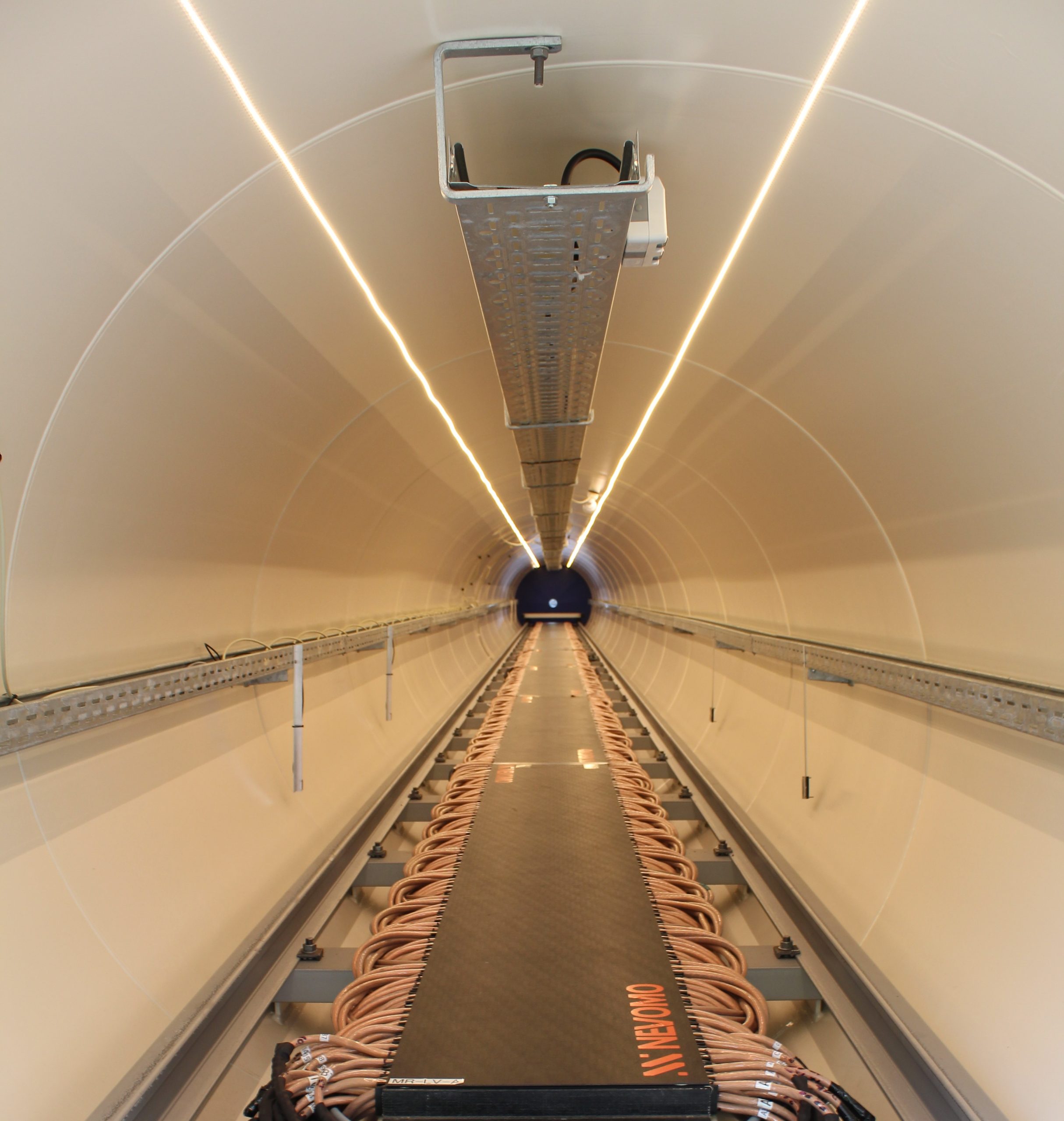
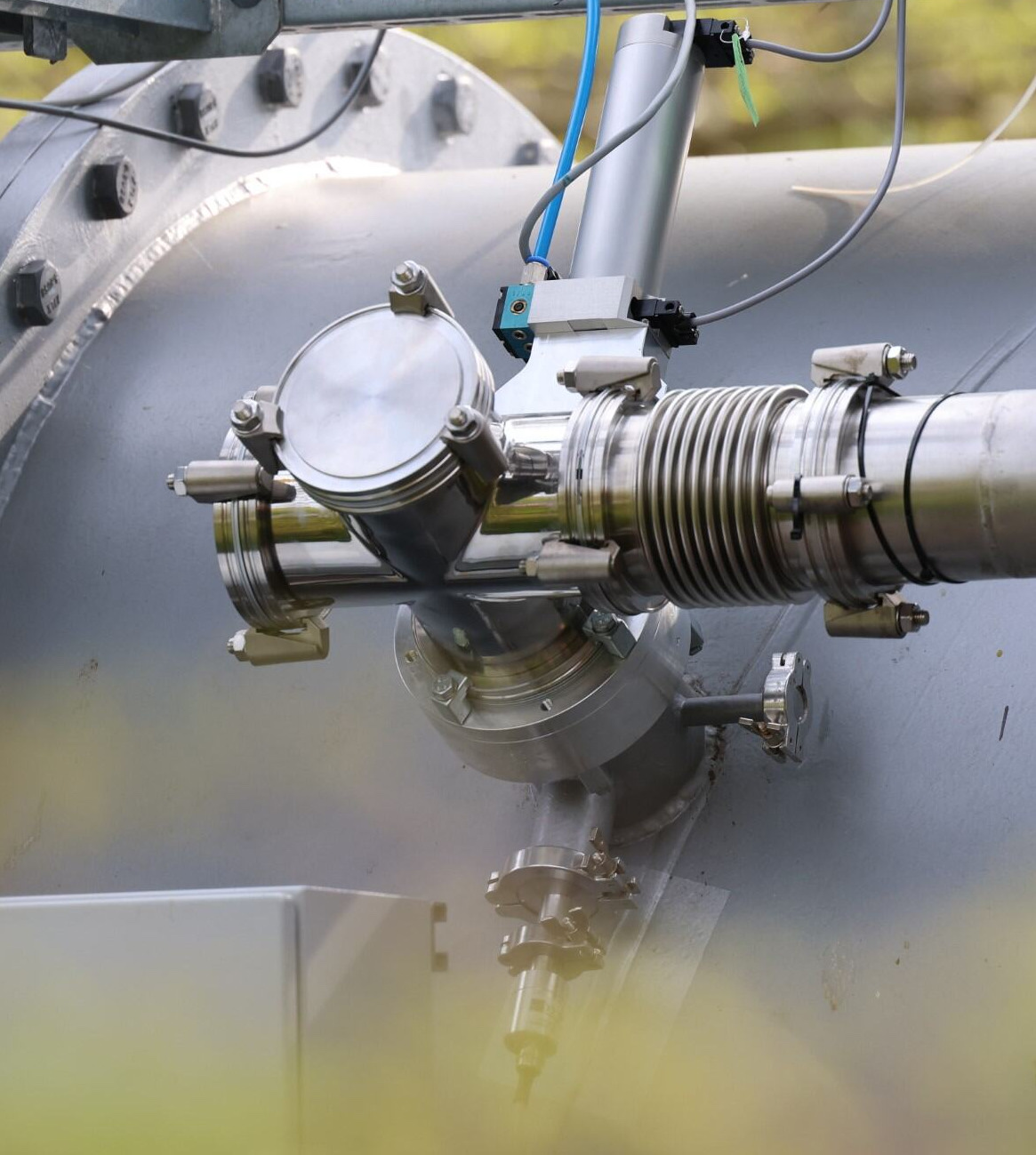
Veendam/Emden – With the goal of advancing the innovative hyperloop technology and engaging local businesses and residents, the University of Applied Sciences Emden/Leer has launched the cross-border project HyperBRIDGE in collaboration with other partners from Germany and the Netherlands. Following an initial meeting in October, the participants have begun their work to set a milestone in the development and public awareness of the technology.
HyperBRIDGE is supported by Interreg VI A Germany-Netherlands. The consortium includes small and medium-sized enterprises, as well as the University of Applied Sciences Emden/Leer, the Rijksuniversiteit, and the Hanzehogeschool Groningen. The initiative is coordinated by the European Hyperloop Center. The cross-border initiative with a volume of $5.7 million brings together companies, universities, and research institutions to position the region as a European leader in the development of hyperloop technologies. Plans include connecting around 20 companies through joint research, testing, and training programs with key knowledge institutions, as well as holding information events in schools.
“The question is not only whether it can work, but also whether society wants it,” said Prof. Dr. Walter Neu, who coordinates the hyperloop activities together with Prof. Dr. Thomas Schüning at the Emden Institute for Hyperloop Technology.
The project builds on the resources of the European Hyperloop Center (EHC) in Veendam and the goTube test facility at the University of Applied Sciences Emden/Leer – two of the most advanced hyperloop research sites in Europe. The focus is on developing effective, market-oriented technologies and systems that go beyond hyperloop applications and are also of interest to industries such as logistics, automotive, energy, and infrastructure. Hyperloop is a new form of emissions-free high-speed transportation that uses magnetic levitation and electric propulsion in low-pressure tubes to transport passengers and goods faster and more efficiently than existing systems. While commercial introduction is expected after 2030, the technology is rapidly advancing. The project consortium aims to accelerate this development.
The project targets four key innovation areas:
- Structural condition monitoring for infrastructure, enabling real-time detection of loads and damage;
- Communication standards between pods, crucial for the safety and coordination of hyperloop vehicles;
- Hyperloop operation systems, integrating control, simulation, and digital twin functions;
- Immersive digital twins, used for training, maintenance, and business model development.
HyperBRIDGE is turning this promise into tangible progress – and promoting sustainable growth, regional competitiveness, and the emergence of a leading European innovation center for hyperloop.
The high-resolution images can be found in the press kit section of the website.